Keep your Club Safe with these Australian Sports Grants!
2 August 2022
How to Choose First Aid Kits for Work Vehicles
18 May 2023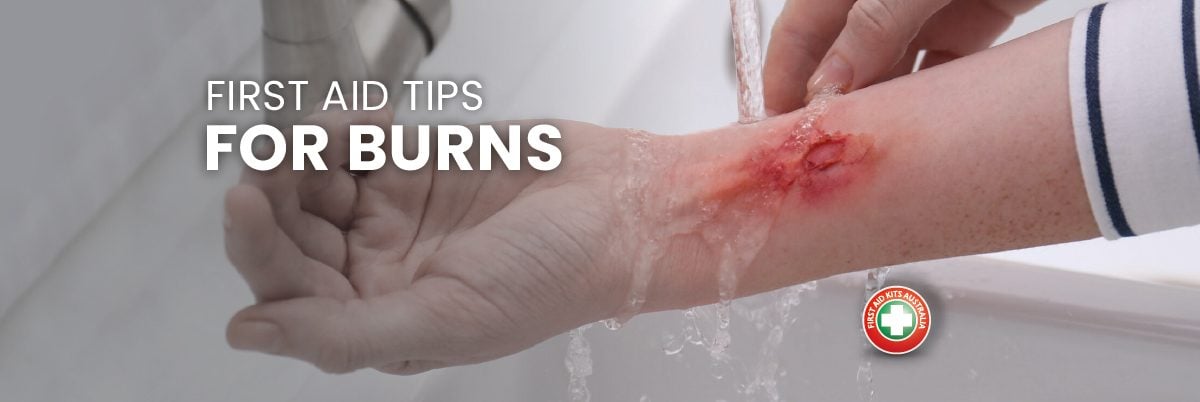
It’s winter and what’s better than snuggling up and firing up a brazier or fire pit and roasting some marshmallows, right? But using fire poses a risk of burns. While prevention is key, sometimes accidents just happen. So, it’s important to be prepared and to know what to do.In the case of burns, the first step is to assess the dimension of the burn to determine what approach should be taken. All burns are assessed according to the AREA and DEPTH involved.
The greater the area of tissue burn, the greater the chance of the patient to suffer shock due to loss of tissue fluid (plasma) and develop infection later on. As a general rule, if the burned area is bigger than 8 cm in diameter or affects the face, eyes, genitalia or goes around a joint it is considered a major burn.
The DEPTH of a burn is assessed as being SUPERFICIAL (involving the outer layers of the skin) or DEEP (all areas of the skin are affected).
So, based on the area and depth of a burn we can classify it in Major or Minor Burn:
Major Burns are deep, involving all layers of the skin. They are larger than a 20 cent coin in diameter or involve hands, feet, face, genitalia or a major joint. The skin may appear charred or have brown, black or white patches. They are a medical emergency and require immediate medical assistance, so calling 000 is a priority.

When a Burn is a Medical Emergency:
- A burn is deep and involves all the layers of the skin
- The area affected is larger than 8 cm of diameter
- Burn on the face, hands, feet, genitalia or airway
- The skin looks charred or leathery
If the accidents implies a person’s clothing has caught on fire, direct them to stop, drop and roll as this is the best way to extinguish fire, before you can help them.
Until the emergency arrives, here are the steps you can take to assist the burned person:
- Remove the person from further damage. In the case of electric shock, ALWAYS switch off the power source first
- Make sure the person in breathing
- If possible, remove constricting rings, belts, etc as swelling will occur quickly
- Cover the burn with gauze or non-adhesive dressing
- Elevate the burned area if possible
- Monitor the person for signs of shock (like fainting or dizziness, pale skin, weak pulse, shallow breathing, etc)
Minor Burns affect the outer layers of the skin in an small area. The skin may be red and painful, and there can be mild swelling.Although they are not as serious as higher-degree burns, they can hurt quite a bit and can leave a scar if not properly treated. To treat a minor or first-degree burns at home, follow these tips:
- Remove tight items, jewellery or clothes from the burned area, unless they are stuck to the burn
- Place the burn under cool running water for 20 minutes. This is the Golden First Aid Tip for Minor Burns.
- Do not use ice
- Do not break blisters
- Do not apply ointment, creams or oil to the burned area as they may cause infections
- Apply a proper burn aid product like an hydrogel. Burnaid 25g tube of hydrogel (firstaidkitsaustralia.com.au)
- Cover the burn loosely with a bandage. Bandaging keeps air off the area, reduces pain and protects blistered skin.
Part of being prepared for an emergency is to have the right tools to address it. Therefore, having a ready-to-go First Aid Kit in your home or workplace is key to respond quickly and effectively to a burn accident and prevent a life-changing injury. Check our huge selection of First Aid Kits and choose the one is most appropriated for your workplace or family at First Aid Kits Australia

Burn Prevention
To prevent burns produced by flame, make sure your you follow these tips:
- Keep a safe distance from the fire pit, a 1.5 metre perimeter is recommended
- Supervise children
- Use the right materials, such as clean, dry wood, gas, charcoal
- Contain the fire in a pit and above the ground away from buildings or branches
- Keep a fire extinguisher available Fire Extinguishers (firstaidkitsaustralia.com.au)
Burn Healing
It may take several days for a minor burn to heal. During that time, observe the affected area for infection, such as redness, changes in wound appearance, or slight fever.As the skin begins to heal, it may be itchy. This is normal and will eventually decrease. If the itchiness is too severe, an over-the-counter medication may be helpful. The wound should be kept clean with daily dressing changes.
If you have any concern or questions, consult your healthcare provider.
Once the burn has healed, limit the exposure of the burn skin to direct sunlight.


 by
by