What Should Be in a Sports Team First Aid Kit? (Australia Guide)
10 July 2026
Choking First Aid: Would You Know What to Do? (Australia Guide)
24 July 2026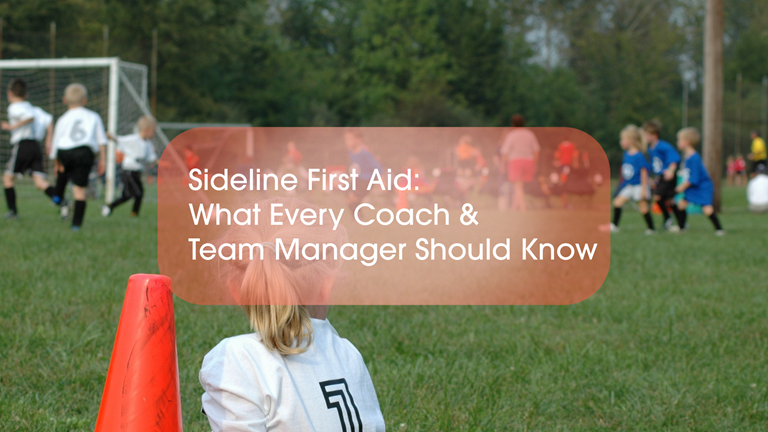
Every Coach Has More Than One Job on Game Day
Whether you’re coaching junior football, managing a netball team, running a rugby club or volunteering at your local sporting organisation, your role extends well beyond tactics and substitutions.
When an injury happens, players, parents and spectators look to the coach or team manager for guidance.
You don’t need to be a healthcare professional, but being prepared with a first aid kit, an emergency plan and a basic understanding of first aid can make a significant difference until qualified medical help arrives.
Before the First Whistle
Preparation starts well before players take the field.
Before every training session and game, take a few minutes to check:
✅ Your sports first aid kit is complete and accessible.
✅ Disposable gloves are stocked.
✅ Instant cold packs are available.
✅ Compression bandages are present and in good condition.
✅ Burn treatment supplies haven’t expired.
✅ Your mobile phone is charged.
These simple checks can save valuable time if an injury occurs.
Know Your Playing Venue
One of the most overlooked aspects of emergency preparedness is knowing the venue.
Before the game starts, identify:
- The exact street address of the venue.
- The easiest ambulance access point.
- The nearest Automated External Defibrillator (AED).
- The location of toilets and running water.
- Any hazards around the playing area.
If you need to call 000, being able to quickly provide an accurate location can save valuable time.
Understand Your Emergency Action Plan
Every sporting club should have an Emergency Action Plan (EAP).
As a coach or team manager, you should know:
- Who is responsible for first aid?
- Who will call 000 if required?
- Who will meet the ambulance?
- How will parents or guardians be contacted?
- Where are emergency exits and vehicle access points?
Reviewing these procedures before the season begins helps everyone respond calmly if an incident occurs.
Common Injuries You’ll See on the Sideline
Most sporting injuries are relatively minor but still require prompt attention.
Common examples include:
- Cuts and grazes
- Nosebleeds
- Sprains and strains
- Bruises
- Blisters
- Minor burns around BBQ or canteen areas
Having the right supplies readily available allows these injuries to be managed quickly and safely.
Recognise When an Injury Is Serious
Some injuries require urgent medical attention.
Call 000 immediately if a player:
- Is unconscious or unresponsive.
- Has difficulty breathing.
- Has severe bleeding that cannot be controlled.
- Has a suspected spinal injury.
- Complains of chest pain.
- Has a seizure.
- Shows signs of cardiac arrest.
When in doubt, seek medical assistance.
Concussion: When in Doubt, Sit Them Out
Concussion is one of the most important injuries to recognise in community sport.
Possible signs include:
- Headache
- Confusion
- Dizziness
- Poor balance
- Memory problems
- Nausea
- Loss of consciousness
If concussion is suspected:
✅ Remove the player from the game immediately.
✅ Do not allow them to return to play that day.
✅ Arrange prompt medical assessment.
Player welfare should always come before the result of the game.
Sudden Cardiac Arrest and AEDs
Although uncommon, sudden cardiac arrest can occur during sport or among spectators.
If your venue has an AED:
- Know exactly where it is located.
- Ensure it is accessible.
- Confirm someone knows how to retrieve it quickly.
Early CPR and defibrillation significantly improve the chances of survival.
Many sporting clubs are now including AEDs as part of their emergency preparedness planning.
Managing Blood Safely
Blood rules vary between sporting codes, but basic first aid principles remain the same.
Always:
- Wear disposable gloves.
- Control bleeding.
- Cover wounds with an appropriate dressing.
- Dispose of contaminated materials safely.
- Wash hands after treatment.
Have spare gloves and dressings readily available.
After the Incident
Once the player has been cared for:
- Record what happened.
- Replace any first aid supplies used.
- Clean and restock the first aid kit.
- Report the incident according to club procedures.
Regularly reviewing incidents can also help identify opportunities to improve player safety.
Build a Game Day Routine
Many experienced coaches follow the same routine before every game.
Before Every Match
✔ First aid kit packed.
✔ Instant cold packs available.
✔ Mobile phone charged.
✔ Emergency contacts available.
✔ AED location confirmed.
✔ Ground address known.
✔ Playing surface inspected.
✔ Weather conditions considered.
A simple routine helps ensure nothing important is forgotten.
Download Our Free Game Day First Aid & Safety Checklist
We’ve created a practical Game Day First Aid & Safety Checklist to help coaches and team managers prepare before every training session and match.
The checklist covers:
- First aid kit inspection
- Emergency preparedness
- Match day essentials
- Monthly kit checks
- Seasonal safety reviews
👉 Download your free checklist here.
Trainer Insight
The best game day response starts long before an injury happens. Coaches who know where their first aid kit is, understand their emergency procedures and check their equipment regularly are far better prepared to respond confidently when something unexpected occurs.
Final Thoughts
You hope you’ll never need your first aid kit—but if you do, preparation makes all the difference.
A well-stocked sports first aid kit, a clear emergency plan and a few minutes of preparation before each game can help coaches, volunteers and team managers respond quickly and confidently when injuries occur.
Being prepared helps create a safer environment for players, officials, volunteers and spectators alike.
Frequently Asked Questions
Does every sports team need a first aid kit?
Every sporting team should have access to an appropriate first aid kit that matches the activities and level of risk involved.
Should coaches have first aid training?
While requirements vary between organisations and sporting codes, first aid training can help coaches and volunteers respond confidently to common sporting injuries and medical emergencies.
What should coaches do if they suspect concussion?
Remove the player from play immediately and arrange prompt medical assessment. Players with a suspected concussion should not return to play on the same day.
What should be checked before every game?
Review your first aid kit, confirm emergency contacts, know the venue address, identify the nearest AED, inspect the playing surface and ensure your communication device is charged.
Additional Resources
🏉 Best First Aid Kits for Sports Clubs in Australia (2026 Guide)
🤕 Common Sports Injuries & How to Treat Them
🩹 What Should Be in a Sports Team First Aid Kit?
📋 Download the Game Day First Aid & Safety Checklist
❤️ Should Every Sports Club Have a Defibrillator?


 by
by