Sideline First Aid: What Every Coach & Team Manager Should Know (Australia Guide)
10 July 2026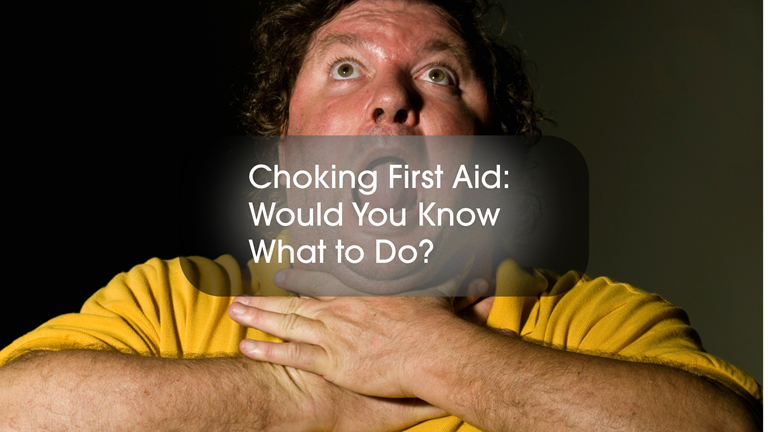
Choking Can Become an Emergency in Seconds
A simple meal, a child’s snack or even a small object can quickly become a life-threatening emergency if it blocks a person’s airway.
Although choking incidents are relatively uncommon, they can happen anywhere—at home, in the workplace, at sporting events, restaurants, schools or childcare centres.
Recognising the warning signs early and acting quickly while professional medical help is on the way can make a significant difference.
Knowing what to do before an emergency happens is one of the most valuable first aid skills anyone can learn.
What Is Choking?
Choking occurs when an object partially or completely blocks the airway, making it difficult or impossible to breathe.
Common causes include:
- Food that has not been chewed properly
- Meat, bread or hard foods becoming lodged in the throat
- Small toys or household objects
- Coins or batteries swallowed by young children
- Inhaling small objects while laughing or talking
While children are at greater risk due to their tendency to place objects in their mouths, choking can affect people of any age.
Recognising the Signs of Choking
A person who is choking may initially be able to cough or speak if the airway is only partially blocked.
Possible signs include:
- Difficulty breathing
- Difficulty speaking
- Persistent coughing
- Wheezing
- Clutching at the throat
- Distress or panic
If the airway becomes completely blocked, the situation becomes much more serious.
Warning signs include:
- Inability to speak
- Silent attempts to cough
- Blue or pale lips and face
- Loss of consciousness
If someone cannot breathe or speak, treat it as a medical emergency and call 000 immediately.
Choking in Children
Young children are naturally curious and often explore the world by placing objects in their mouths.
Foods that commonly present a choking risk include:
- Whole grapes
- Popcorn
- Nuts
- Hard lollies
- Pieces of sausage or hot dog
- Raw carrot
- Apple pieces
Small objects such as coins, marbles, button batteries and toy parts can also present serious hazards.
Close supervision during meals and ensuring food is prepared appropriately for a child’s age can significantly reduce the risk.
Choking in Older Adults
Older Australians may also have a higher risk of choking due to:
- Difficulty swallowing
- Dental problems
- Certain medical conditions
- Medications that affect swallowing
- Reduced muscle strength
Taking time to eat slowly, chewing food thoroughly and avoiding distractions while eating can help reduce the risk.
What Should You Do If Someone Is Choking?
If someone appears to be choking:
- Stay calm.
- Encourage them to keep coughing if they are able.
- Call 000 immediately if they cannot breathe or speak, or if the situation becomes more serious.
- Follow the instructions provided by the emergency operator.
- Continue to monitor the person’s condition until help arrives.
Learning practical choking first aid through an accredited first aid course gives you the confidence to respond effectively in an emergency.
Common Myths About Choking
There are many myths surrounding choking emergencies.
Myth: Give the person a drink of water.
Water will not remove an object blocking the airway and may make the situation worse.
Myth: Wait and see if it gets better.
If someone cannot breathe or speak, immediate action is essential.
Myth: Choking only happens to children.
Adults, particularly older people, can also experience choking emergencies.
Myth: Every cough means the airway is completely blocked.
A person who is coughing may still have a partially blocked airway. Encouraging them to continue coughing while monitoring their condition may be appropriate until medical assistance is available if their condition worsens.
Helping Prevent Choking
Many choking incidents can be prevented with a few simple precautions.
At Home
- Cut food into manageable pieces.
- Encourage children to sit while eating.
- Supervise young children during meals.
- Keep small objects out of reach.
In the Workplace
- Encourage workers not to rush meals.
- Ensure emergency numbers are easily accessible.
- Train staff in first aid.
- Maintain a stocked first aid kit.
At Sporting Clubs
- Supervise junior players during post-match meals.
- Have trained first aid personnel available.
- Know the venue address for emergency services.
- Ensure emergency procedures are understood by volunteers.
Why First Aid Training Matters
Reading an article is a great first step, but real confidence comes from practical training.
Accredited first aid courses teach participants how to recognise choking emergencies, assess the situation and respond appropriately while waiting for emergency services.
Regular refresher training helps keep these important skills current.
Be Prepared Before an Emergency Happens
Emergencies rarely happen when they’re expected.
Keeping a well-stocked first aid kit, knowing your emergency procedures and ensuring family members or staff have first aid training all contribute to a safer environment.
Preparation today can make all the difference tomorrow.
Final Thoughts
Most of us hope we’ll never witness someone choking.
However, knowing the warning signs, remaining calm and understanding when to call 000 can help you respond confidently during those critical first moments.
Whether you’re at home, work, school or your local sporting club, being prepared is one of the best ways to help protect the people around you.
Frequently Asked Questions
What is the most common cause of choking?
Food is the most common cause of choking in both adults and children, although small household objects also present a significant risk for young children.
Who is most at risk of choking?
Young children and older adults are generally at greater risk, but choking can occur at any age.
When should I call 000?
If someone cannot breathe, cannot speak, loses consciousness or you believe they are experiencing a life-threatening emergency, call 000 immediately.
Can first aid training teach me how to respond to choking?
Yes. Accredited first aid courses provide practical training in recognising and responding to choking emergencies, along with many other common first aid situations.
Related Articles
- What Should Be in a Workplace First Aid Kit?
- Common Sports Injuries & How to Treat Them
- Replace or Replenish? When to Review Your First Aid Kit


 by
by