Signs of a Stroke: Would You Know What to Look For? (Australia Guide)
7 August 2026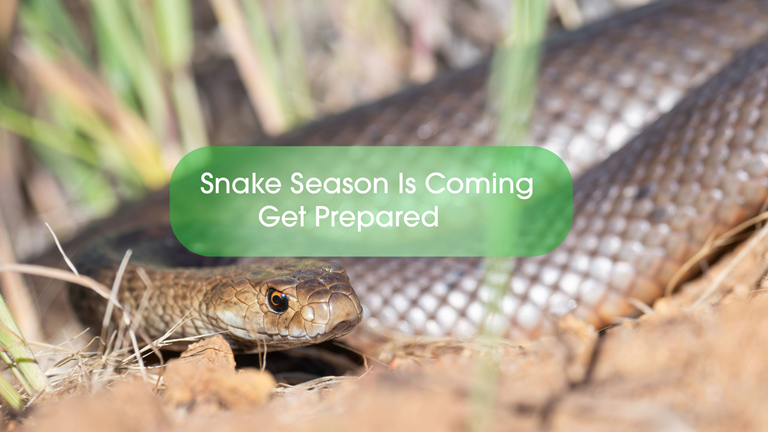
As the weather starts to warm across Australia, we’re not the only ones becoming more active.
Snake season is approaching.
From spring onwards, snakes become increasingly active as temperatures rise. That means people working outdoors, travelling, camping, hiking or simply spending time around the backyard may have a greater chance of encountering one.
The good news is that snake bites are relatively uncommon. But when they do happen, knowing what to do — and having the right first aid equipment nearby — can make a critical difference.
Now is the time to get prepared.
When Does Snake Season Start in Australia?
There isn’t one official date when snake season begins.
Snake activity varies according to location, temperature, weather and species. However, across much of Australia, snakes generally become more active as temperatures increase during spring, with activity remaining high throughout the warmer months.
In warmer parts of Australia, including Queensland, snakes may begin becoming noticeably more active from late winter and early spring.
By September and October, warmer conditions mean encounters can become increasingly common.
Snake activity typically remains elevated throughout summer, with Australian data showing snake-bite hospitalisations considerably higher during summer than winter.
That’s why August and September are excellent times to check your snake bite first aid supplies — before peak snake season arrives.
Where Are You Most Likely to Encounter Snakes?
Snakes aren’t restricted to the bush.
They can be encountered anywhere suitable food, shelter and warmth are available, including:
- Farms and rural properties
- Construction sites
- Warehouses and industrial areas
- Parks and sporting grounds
- Campgrounds
- Bushwalking trails
- Caravan and 4WD destinations
- Schools and childcare grounds
- Residential gardens, sheds and garages
People working or travelling in remote locations should be particularly well prepared because professional medical assistance may take longer to reach them.
What Should You Do If Someone Is Bitten by a Snake?
Treat any suspected snake bite as a medical emergency.
In Australia, the recommended first aid response for a suspected venomous snake bite involves the Pressure Immobilisation Technique (PIT).
1. Call Triple Zero (000)
Call 000 immediately and request an ambulance.
Don’t wait for symptoms to appear.
2. Keep the Person Still
Keep the person as calm and still as possible.
Movement can increase the movement of venom through the lymphatic system.
If possible, have the person lie down and avoid unnecessary movement.
3. Apply a Pressure Immobilisation Bandage
If the bite is on a limb, apply a firm pressure bandage over the bite site and then continue bandaging the entire limb.
The bandage should be firm — similar to the pressure used when bandaging a sprained ankle — but should not stop blood circulation.
4. Immobilise the Limb
Use a splint where possible to help prevent movement.
Keep the person and affected limb still until medical assistance arrives.
What Should You NOT Do After a Snake Bite?
Some traditional snake bite treatments can actually make the situation worse.
Do not:
- Wash the bite site
- Cut the wound
- Attempt to suck out the venom
- Apply a tourniquet
- Allow the person to walk
- Try to catch or kill the snake
Australian hospitals can use venom detection and other clinical information to help determine appropriate treatment, so don’t wash the bite site.
And importantly, don’t put yourself at risk trying to identify the snake.
Why Snake Bite Bandages Are Different
A snake bite kit should contain appropriate pressure immobilisation bandages.
Some snake bite bandages include printed indicators that help the person applying the bandage achieve appropriate pressure.
This can be particularly useful in a stressful emergency where it may otherwise be difficult to judge how firmly a bandage should be applied.
Having the right equipment is important — but knowing how to use it is equally important.
Take a few minutes before snake season to familiarise yourself with the Pressure Immobilisation Technique and the contents of your kit.
Where Should You Keep a Snake Bite Kit?
One of the most important considerations is accessibility.
A snake bite kit isn’t particularly useful if it’s several kilometres away when an emergency occurs.
Consider keeping dedicated snake bite supplies in locations such as:
At home
Particularly if you live on acreage, near bushland or in an area where snakes are regularly encountered.
In the car or 4WD
Especially when travelling through rural and remote Australia.
On farms
Consider kits in farm vehicles, tractors, workshops and other locations where people regularly work.
At outdoor workplaces
Construction sites, landscaping operations, utilities, agriculture and other outdoor workplaces may benefit from having snake bite supplies readily accessible.
When camping or bushwalking
A compact snake bite kit can easily be carried in a backpack without taking up much space.
At sporting clubs and outdoor facilities
Golf courses, sporting fields and other large outdoor areas can also present opportunities for snake encounters.
Don’t Wait Until You See Your First Snake
The best time to prepare for snake season isn’t after you’ve spotted the first snake of summer.
It’s before snake activity increases.
Before heading into spring, take a few minutes to:
- Check your first aid kit
- Make sure pressure immobilisation bandages are present
- Replace used, damaged or expired supplies
- Check snake bite kits in vehicles and remote work areas
- Make sure staff and family members know where kits are located
- Refresh your knowledge of snake bite first aid
A little preparation now could make an enormous difference during an emergency.
Be Snake Bite Ready This Season
Whether you’re heading camping, working outdoors, travelling through remote Australia or preparing your home or workplace for the warmer months, having appropriate snake bite first aid supplies readily available is a simple precaution.
Snake season is coming. Get prepared before you need to be.
Explore our range of Snake Bite Kits and First Aid Kits with Snake Bite Cover at First Aid Kits Australia.
Be prepared. Stay safe. Enjoy the Australian outdoors.


 by
by