Common Sports Injuries & How to Treat Them: A Practical First Aid Guide (Australia)
10 July 2026
Sideline First Aid: What Every Coach & Team Manager Should Know (Australia Guide)
10 July 2026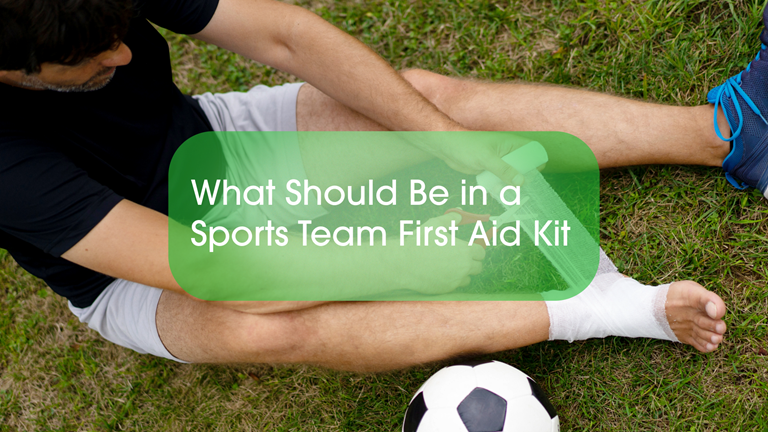
Every Team Should Be Prepared
Whether you’re coaching an under-8 football team, managing a senior rugby side, or organising a weekend netball competition, injuries can happen without warning.
Having a properly stocked sports team first aid kit ensures coaches, trainers and volunteers can provide immediate first aid until further medical care is available.
The right kit isn’t just about treating injuries—it’s about being prepared, organised and confident when an incident occurs.
Why Sports Teams Need a Dedicated First Aid Kit
Unlike a standard home first aid kit, a sports team kit needs to cope with:
- Multiple players
- Frequent use
- Outdoor conditions
- Contact injuries
- Training sessions
- Away games and tournaments
Sports kits should be portable, durable and easy to access from the sideline.
Common Injuries a Sports Kit Should Help Manage
A good sports first aid kit should contain supplies suitable for treating common sporting injuries such as:
- Cuts and grazes
- Nosebleeds
- Sprains and strains
- Bruising
- Minor burns
- Blisters
- Eye irritations
- Dental injuries
- Soft tissue injuries
More serious injuries should always be referred for medical assessment or emergency care.
📋 Free Download: Game Day First Aid & Safety Checklist
Running a sporting club or managing a team?
Download our free Game Day First Aid & Safety Checklist to help ensure your first aid kit, emergency procedures and game day preparations are ready before every match.
Essential Sports First Aid Supplies
Wound Care
Every sports kit should include:
- Adhesive dressings
- Sterile wound dressings
- Gauze swabs
- Combine dressings
- Antiseptic wipes
- Saline solution
These items help manage cuts, grazes and bleeding commonly seen during sport.
Compression Bandages
Compression bandages are one of the most frequently used items in sports first aid.
They may assist in managing:
- Sprains
- Strains
- Soft tissue injuries
They are also important components of snake bite first aid when teams are playing or training in regional or bushland areas.
Cold Therapy
Cold packs are extremely useful for managing:
- Bruising
- Swelling
- Sprains
- Muscle injuries
Instant cold packs are particularly useful for away games where ice may not be available.
Burn Treatment
Although burns aren’t common during play, they may occur from:
- BBQs
- Canteens
- Camping trips
- Hot equipment
- Clubhouse kitchens
Include:
Personal Protection
Every sports first aid kit should contain:
Protecting both the injured person and the first aider is essential.
Essential Equipment
Useful equipment includes:
Choosing the Right Kit
The best kit depends on how your team operates.
Individual Athletes
Suitable for:
- Running
- Cycling
- Tennis
- Golf
Choose a compact personal sports kit.
Junior Teams
Suitable for:
- Junior football
- Netball
- Cricket
- Basketball
A portable team kit usually provides sufficient supplies for coaches and volunteers.
Senior Community Clubs
Larger clubs generally benefit from:
- Larger quantities of dressings
- More compression bandages
- Additional cold packs
- Trauma dressings
- Multiple gloves
These kits should comfortably support an entire team throughout a season.
Multi-Team Clubs
Clubs with multiple teams should consider:
- Separate kits for each team
- Clubhouse first aid kit
- Kitchen first aid kit
- AED
- Emergency response procedures
Should Every Team Have an AED?
While a first aid kit is essential, many sporting clubs are also installing Automated External Defibrillators (AEDs).
AEDs can be used for sudden cardiac arrest affecting:
- Players
- Coaches
- Officials
- Spectators
Combined with CPR, early defibrillation significantly improves the chances of survival.
Keeping Your Kit Match Ready
Before every game or training session:
✔ Check the kit is complete.
✔ Replace used items.
✔ Check expiry dates.
✔ Ensure cold packs are available.
✔ Restock gloves and dressings.
✔ Confirm emergency contacts are current.
Trainer Tip
The best sports first aid kit is the one that’s ready when you need it. We recommend checking your team’s kit before every season and inspecting it regularly throughout the year. Small items such as gloves, dressings and cold packs are often used without anyone realising they need replacing.
Is Your Team Ready?
Whether you’re coaching junior sport, managing a senior club or organising school competitions, having the right first aid equipment helps you respond confidently when injuries occur.
Browse our range of sports first aid kits designed for:
- Coaches
- Team managers
- Schools
- Community sporting clubs
- Professional trainers
to help keep players safe throughout the season.
Frequently Asked Questions
What should be included in a sports first aid kit?
A sports first aid kit should include wound dressings, compression bandages, instant cold packs, gloves, CPR protection, saline solution, scissors, tweezers and other general first aid supplies.
How often should a sports first aid kit be checked?
Before every season, after each use and regularly throughout the year to replace expired or missing supplies.
Should junior sports teams carry a first aid kit?
Yes. Every junior sporting team should have access to an appropriate first aid kit during training and competition.
Should sports clubs have an AED?
Many clubs choose to install an AED as part of their emergency preparedness, particularly where large numbers of players and spectators gather.
Additional Resources
🏉 Best First Aid Kits for Sports Clubs in Australia (2026 Guide)
🤕 Common Sports Injuries & How to Treat Them
👨🏫 Sideline First Aid: What Every Coach & Team Manager Should Know
❤️ Should Your Sports Club Have a Defibrillator (AED)?
📋 Sports Club First Aid Checklist


 by
by